
From Smartwatches to Fitness Trackers: The Best Wearable Technology Innovations of 2021

[ad_1]
From Smartwatches to Fitness Trackers: The Best Wearable Technology Innovations of 2021

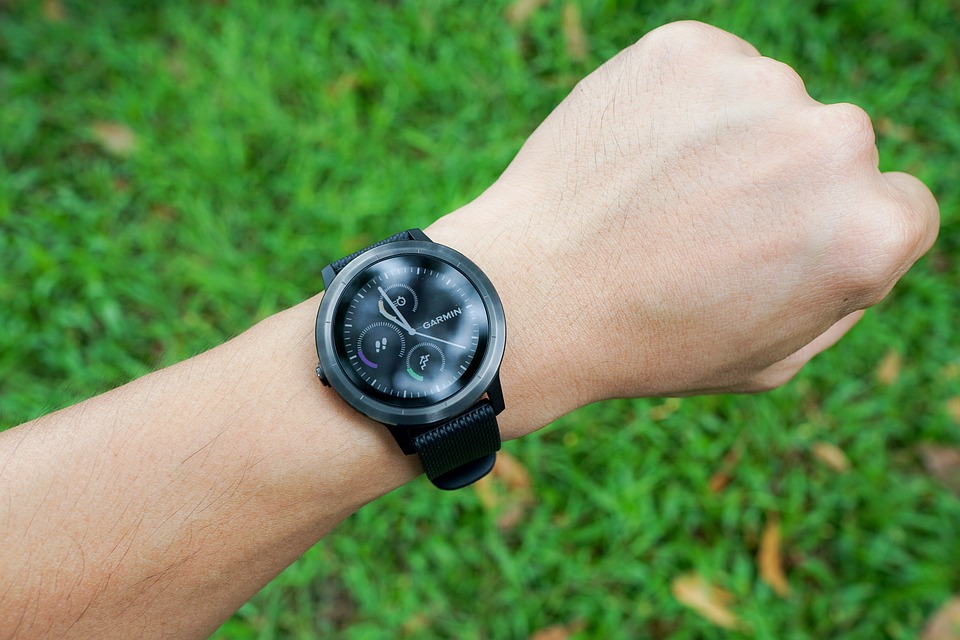
Wearable technology has become an integral part of our lives, aiding us in various aspects such as health monitoring, communication, and overall convenience. With advancements in technology, 2021 has witnessed an array of innovative wearables that have further enhanced our daily routines. Let’s explore some of the best wearable technology innovations of this year.

1. Apple Watch Series 7: Undoubtedly, Apple continues to dominate the smartwatch market with its latest release, the Apple Watch Series 7. This sleek and stylish device boasts a larger, always-on display and enhanced durability. With new health features like fall detection, blood oxygen level measurement, and an ECG app, it sets new standards for health monitoring. The Apple Watch Series 7 is undoubtedly a game-changer for wearable technology enthusiasts.

2. Fitbit Luxe: Fitbit has always been a pioneer in fitness wearables, and their latest offering, Fitbit Luxe, is no exception. Aimed at merging fashion and fitness, the Luxe is a slim and stylish fitness tracker that includes features like 24/7 heart rate monitoring, sleep tracking, stress management tools, and female health tracking. With its sleek design and comprehensive health features, the Fitbit Luxe appeals to both fitness enthusiasts and fashion-conscious individuals.

3. Amazon Halo: Amazon’s entry into the wearable technology market is marked by the innovative Halo. This sleek wristband focuses on proactive health monitoring, analyzing factors like activity, sleep, and even tone of voice to provide insights into overall wellness. The Halo also offers a unique feature called “Body,” which uses smartphone photos to create a 3D scan of your body and track changes in body composition over time. With its advanced health analysis and unique features, the Amazon Halo has made a significant impact in the wearable technology realm.

4. Bose Frames Tempo: Combining sunglasses with fitness tracking capabilities, Bose Frames Tempo is an excellent example of wearable technology innovation. These sporty frames not only protect your eyes from the sun but also include built-in sensors for fitness tracking. The Frames Tempo monitors metrics like distance, steps, calories burned, and even features audio prompts and navigation cues. Its practicality and multifunctionality make the Bose Frames Tempo a standout wearable device.

5. WHOOP Strap 4.0: WHOOP has gained popularity among athletes and fitness enthusiasts for its data-driven approach to health and recovery. The WHOOP Strap 4.0 takes this concept to the next level by providing comprehensive insights into sleep, recovery, and strain on the body. It tracks heart rate variability, resting heart rate, and sleep stages to provide personalized recommendations for optimizing performance and recovery. With its advanced analytics and focus on holistic health, the WHOOP Strap 4.0 is a top choice for athletes and health-conscious individuals.

6. Garmin Lily: Garmin, known for its robust GPS technology, stepped into the market of stylish smartwatches with the Garmin Lily. Designed for women, this elegant smartwatch includes health monitoring features like menstrual cycle tracking, stress tracking, and respiration tracking. Its feminine design, combined with essential fitness tracking capabilities, makes the Garmin Lily an attractive choice for women looking for both style and functionality.

As wearable technology continues to evolve, these innovative devices are revolutionizing the way we track our health, stay connected, and streamline our daily lives. The best wearable technology innovations of 2021 offer a wide range of options for different needs and preferences. Whether it’s Apple’s latest smartwatch or the fitness-focused offerings from Fitbit and WHOOP, these wearables empower users to take control of their health and well-being in the digital age.
[ad_2]


15 investors discuss their investment pace during the first half of 2023

In our ongoing coverage of VC performance in the first half of 2023, TechCrunch+ conducted a survey of 15 investors to gather insights on their investment cadence and plans for the second half of the year. The results showed a mix of investors meeting their investment goals and others falling short. However, there is a growing sense that a slower investment pace is becoming the new norm. Rajeev Dham from Sapphire Ventures and Mark Grace from M13 both acknowledged that the rapid investment pace seen during the pandemic years has subsided, leading to an adjustment period for some investors. Those who are operating at a slower cadence are taking a more cautious approach. Gen Tsuchikawa, CEO of Sony Ventures, stated that they have always been selective in their investments and will maintain flexibility in their investment cadence for now. Dham also emphasized the importance of prudence in the coming period and highlighted the potential decrease in capital availability due to active investors retreating, which could lead to more stable pricing. On the other hand, Grace remains optimistic and believes that dealmaking cadence will continue to rebound, emphasizing the need for optimism in the industry. Logan Allin, managing partner and founder of Fin Capital, shared that his firm was the most active fintech investor globally in Q1, thanks to their focus on early-stage startups founded by repeat founders. He explained that this accelerated rate of new company formation is due to management teams handing over the reins to professional management to take the company public or exit via M&A or buyout, as well as seasoned entrepreneurs with underwater options choosing to move on. The article includes additional insights and perspectives from various investors on their investment cadence and plans for the future.

Netflix cancels its basic plan in Canada, IRL ceases operations, and Shein’s influencer stunt fails to succeed

Welcome to the Week in Review (WiR), a weekly recap of the latest tech news. If you’re new here, sign up to receive WiR in your inbox every Saturday. In this week’s digest, we cover Netflix discontinuing its basic plan in Canada, the shutdown of the social app IRL due to fake users, and the success of the Flipper hacking device. We also discuss Lenovo’s innovative Yoga Book 9i, DeepMind’s new chatbot, and Robinhood’s acquisition of X1. Plus, we touch on Shein’s PR troubles, Databricks’ acquisition of MosaicML, and ChatGPT’s partnership with Bing.

In Canada, Netflix has quietly removed its $9.99 CAD per month basic plan for new subscribers, leaving a gap between the ad-supported and standard plans. Meanwhile, IRL, a social app, shut down after an internal investigation revealed that 95% of its reported 20 million users were bots. Lenovo’s Yoga Book 9i, a dual-screen laptop, impressed many at CES and shows the potential of the dual-screen concept. The Flipper hacking device, which allows users to manipulate various systems, has been a massive success, with the company expecting to sell $80 million worth of products this year.

In other news, Robinhood announced its acquisition of credit card startup X1 for $95 million. Shein, a fashion company planning an IPO, faced criticism for inviting influencers on a curated visit to its Chinese factory as an attempt to rebuild its image. Databricks acquired MosaicML, an open-source startup specializing in neural networks and generative AI tools, for $1.3 billion. And ChatGPT Plus subscribers can now use the chatbot to search Bing for answers to their questions.

Lastly, if you’re looking for some podcast recommendations, check out the latest episodes of Equity, Found, Chain Reaction, and The TechCrunch Podcast. And don’t forget, TechCrunch+ subscribers have access to exclusive commentary, analysis, and surveys.

That’s a wrap for this week’s recap. Stay tuned for more tech news, and make sure to join us at Disrupt 2023 in San Francisco this September! You can save up to $600 on your pass by using promo code WIR. Learn more at the Disrupt website.